Dotori Muk aka Korean Acorn Jelly

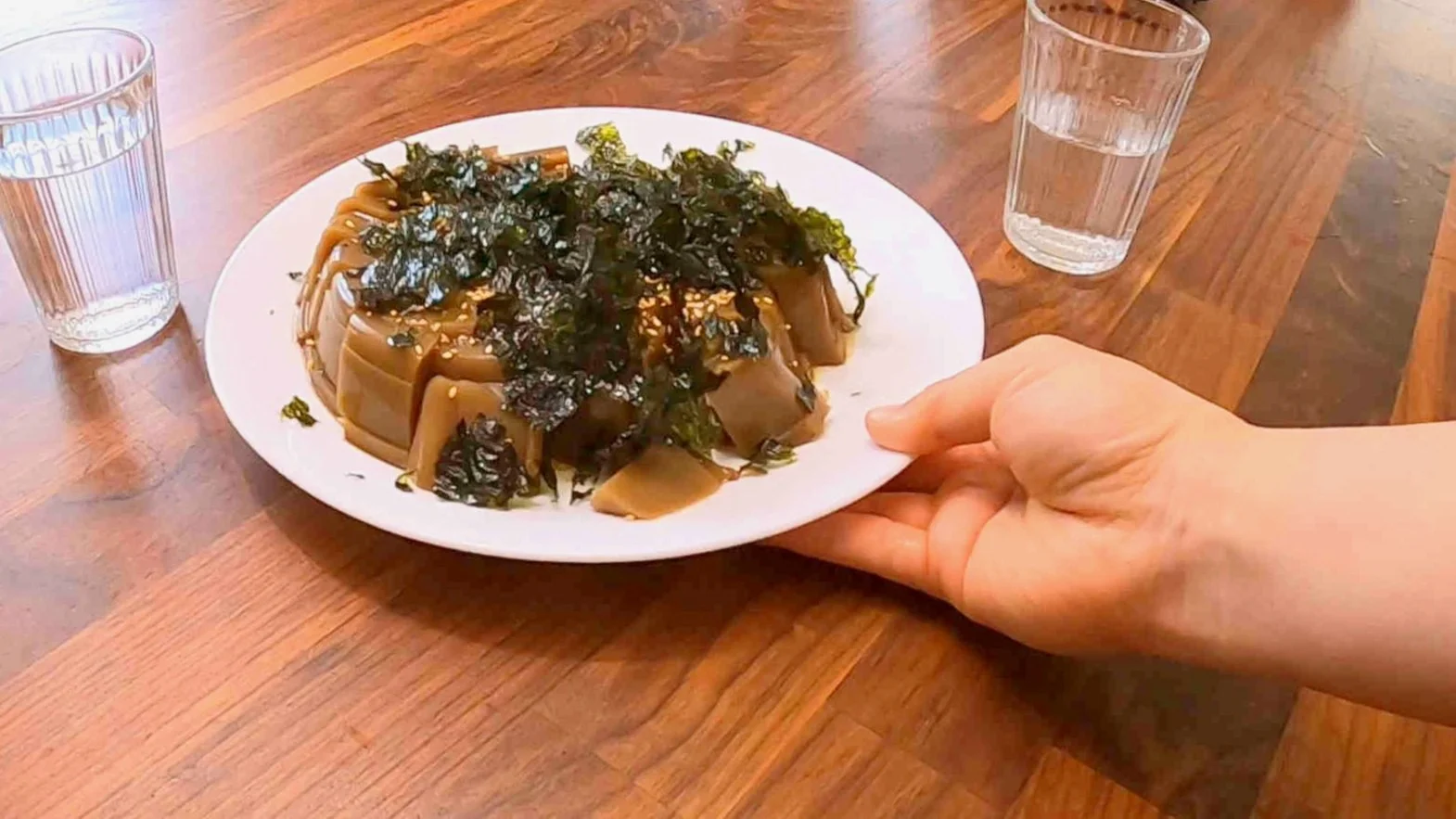
What is Acorn Jelly aka Dotori Muk? Acorn Jelly is made by boiling acorn powder and setting it into jelly. Acorns are harvested then soaked in water then shelled. The nuts are then ground into powder. Acorns are much too high in tannins which are toxic to consume. However tannins are water-soluble so soaking or … Read more
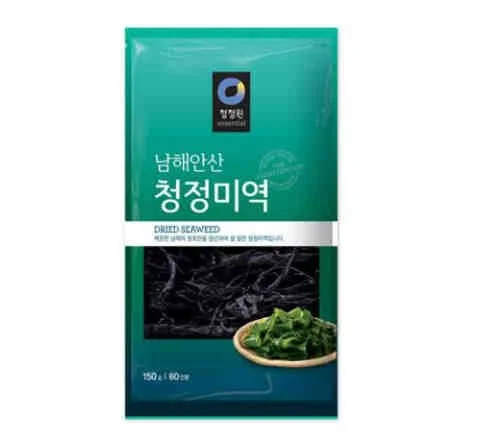
Miyeok: The Sea Vegetable to Add to Your Meals

Dried Miyeok is dried seaweed and is different from Gim (dried seaweed sheets). You may want to read: All You Need to Know About Korean Gim You may be wondering, as I did, if Gim is made from Miyeok- and the answer is that it’s made from different types of seaweed (I know, seaweed has … Read more

Ganjang

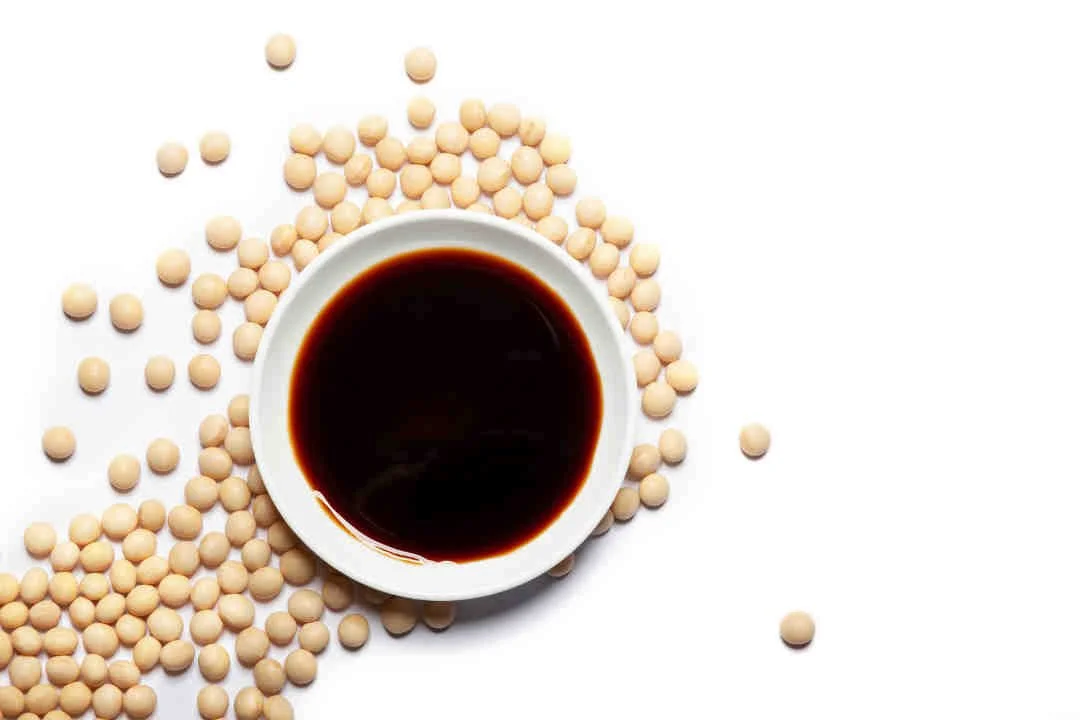
Ganjang means Soy Sauce in Korean. Pronounce it: “GAHN-JAHNG” Gochujang, Doenjang and Ganjang form the three musketeers of Korean Jang (seasonings). Although Ganjang (aka soy sauce) is technically a by-product of Doenjang (soy sauce is the fermented juice of fermented beans that have had a long soak in brine), I’d say that for the beginner … Read more

Doenjang

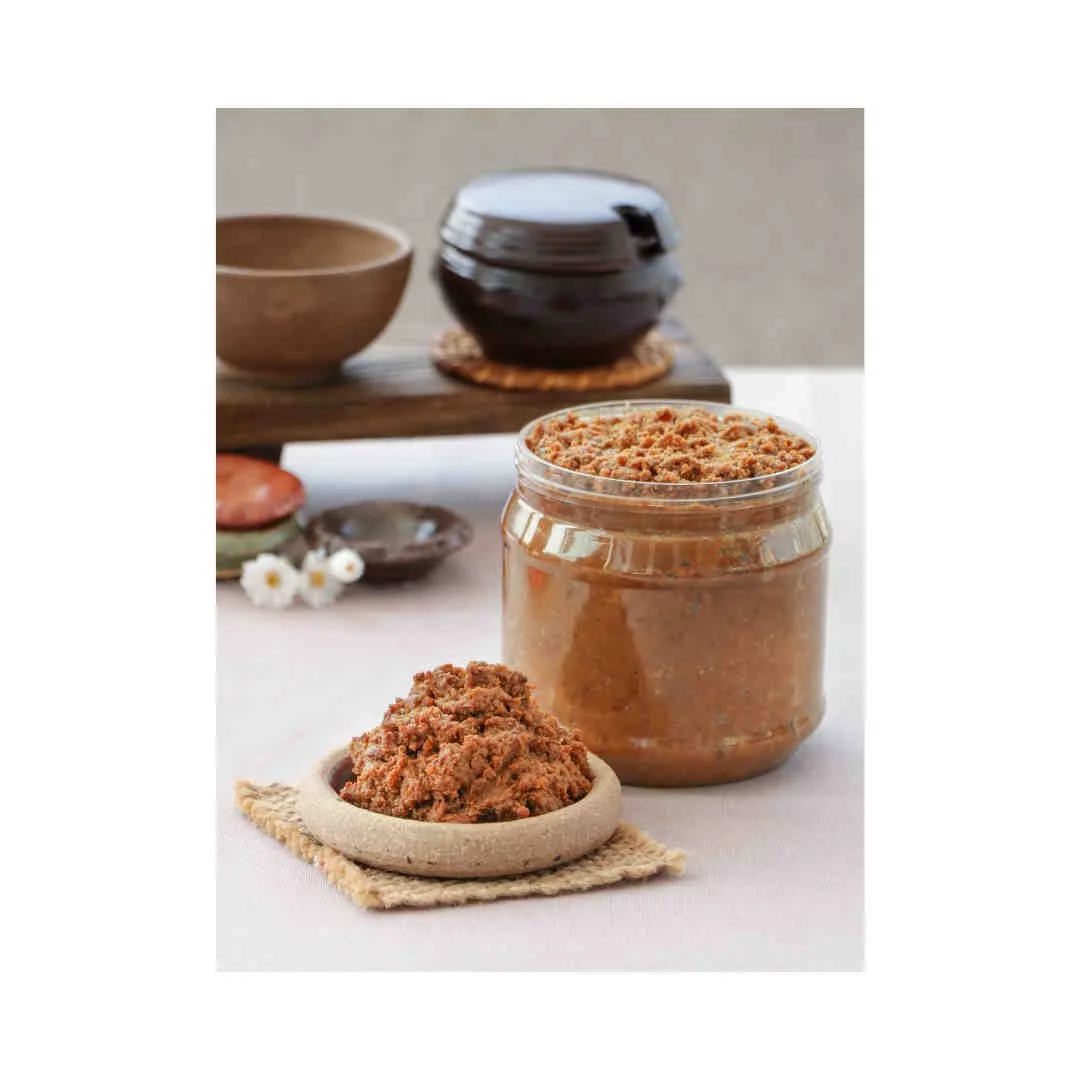
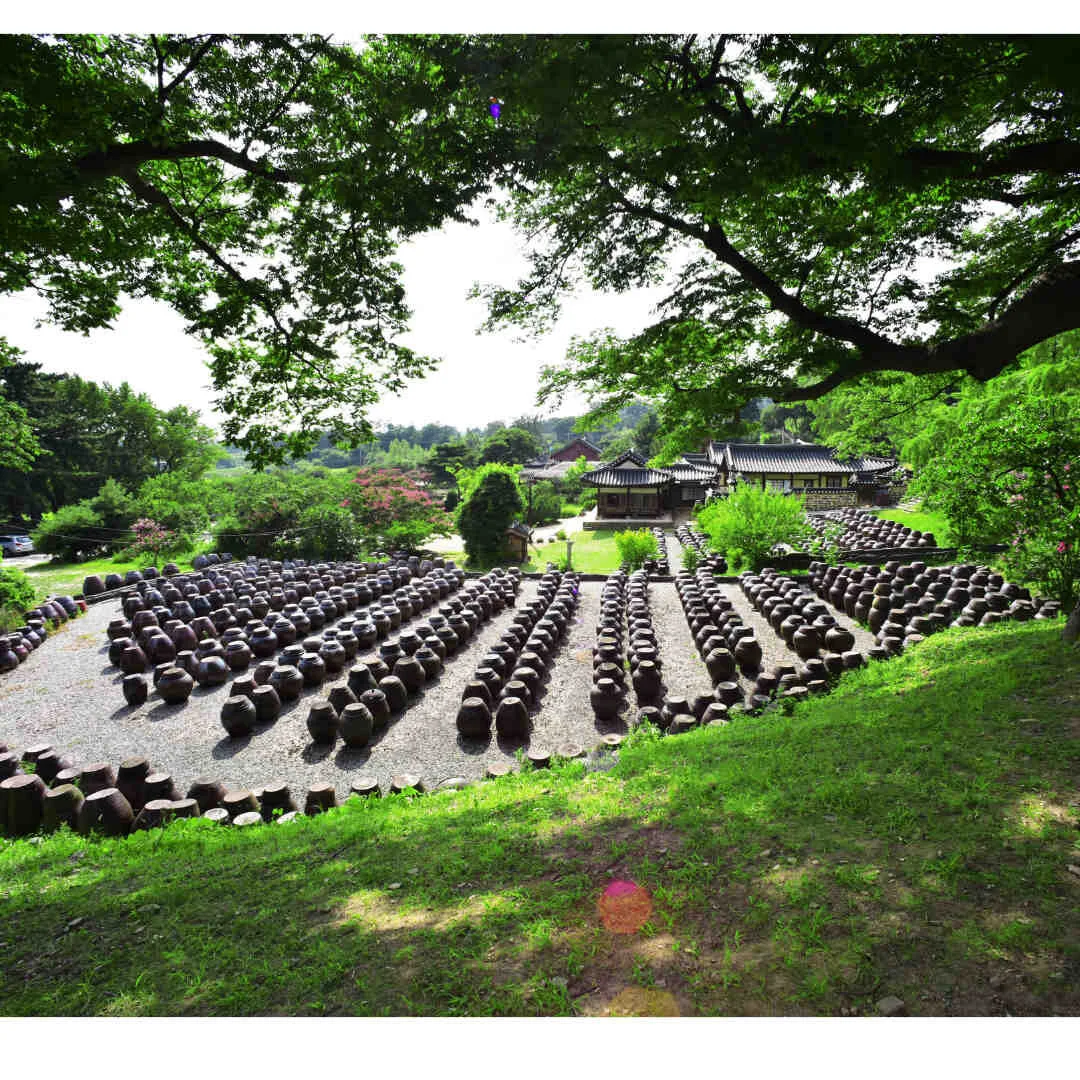
Doenjang is what Koreans call Fermented Soybean Paste. Pronounce it “DWEN-JAHNG” What is Doenjang? Whole soybeans are thoroughly washed, boiled and traditionally mashed with a mortar and pestle. These are formed into rectangular blocks and dried completely- during this time (which could take weeks), the beans would ferment and at this point becomes MEJU (fermented … Read more

Gochujang

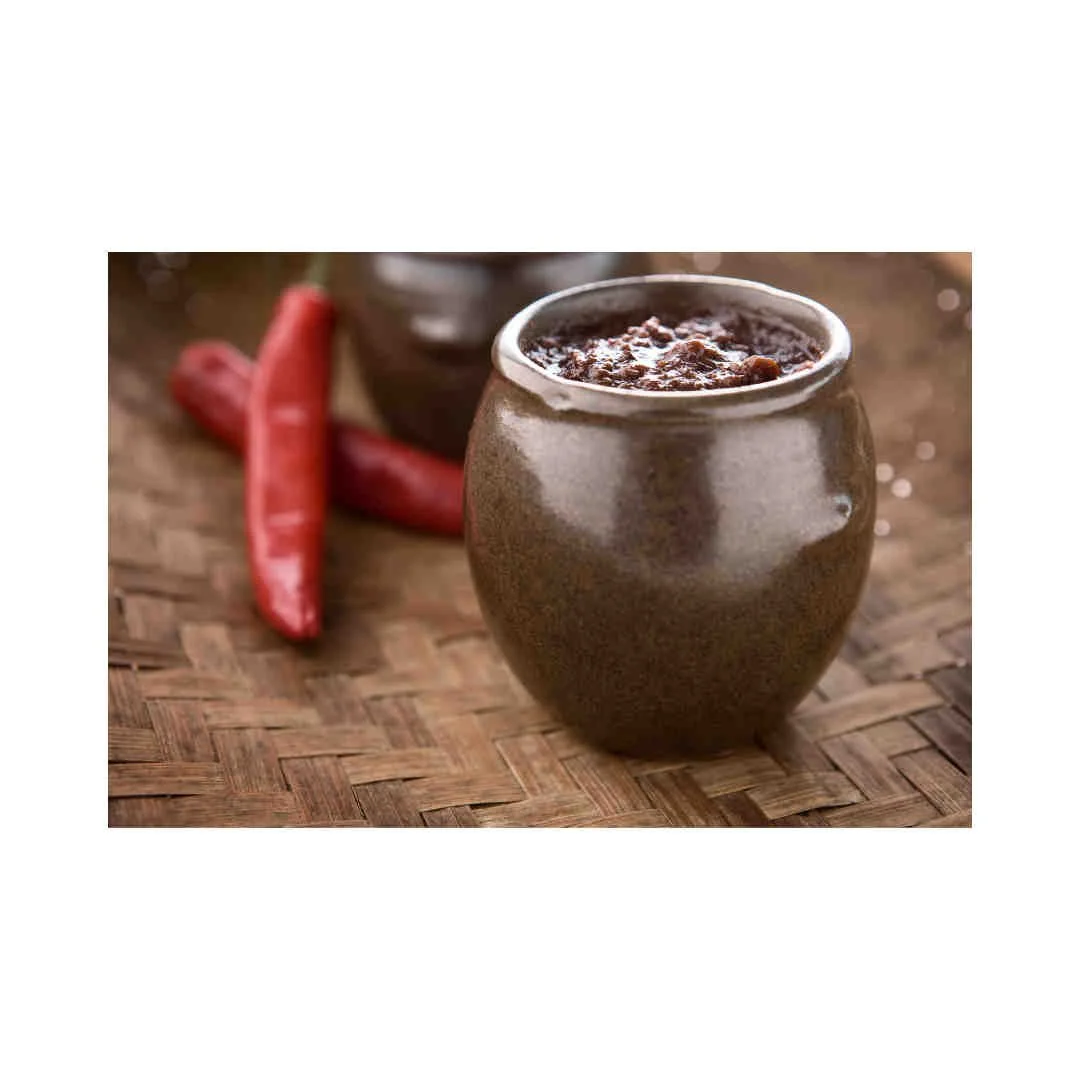
Gochujang refers to Korean Red Pepper Paste and is an easy pantry staple to stock for beginners to Korean cooking. What is it? Korean Red Pepper Paste is a fermented, sweet and spicy paste used as a seasoning ingredient that can also be eaten as a dressing or dip. Traditionally, Gochujang was made with only … Read more

Korean Chili Peppers

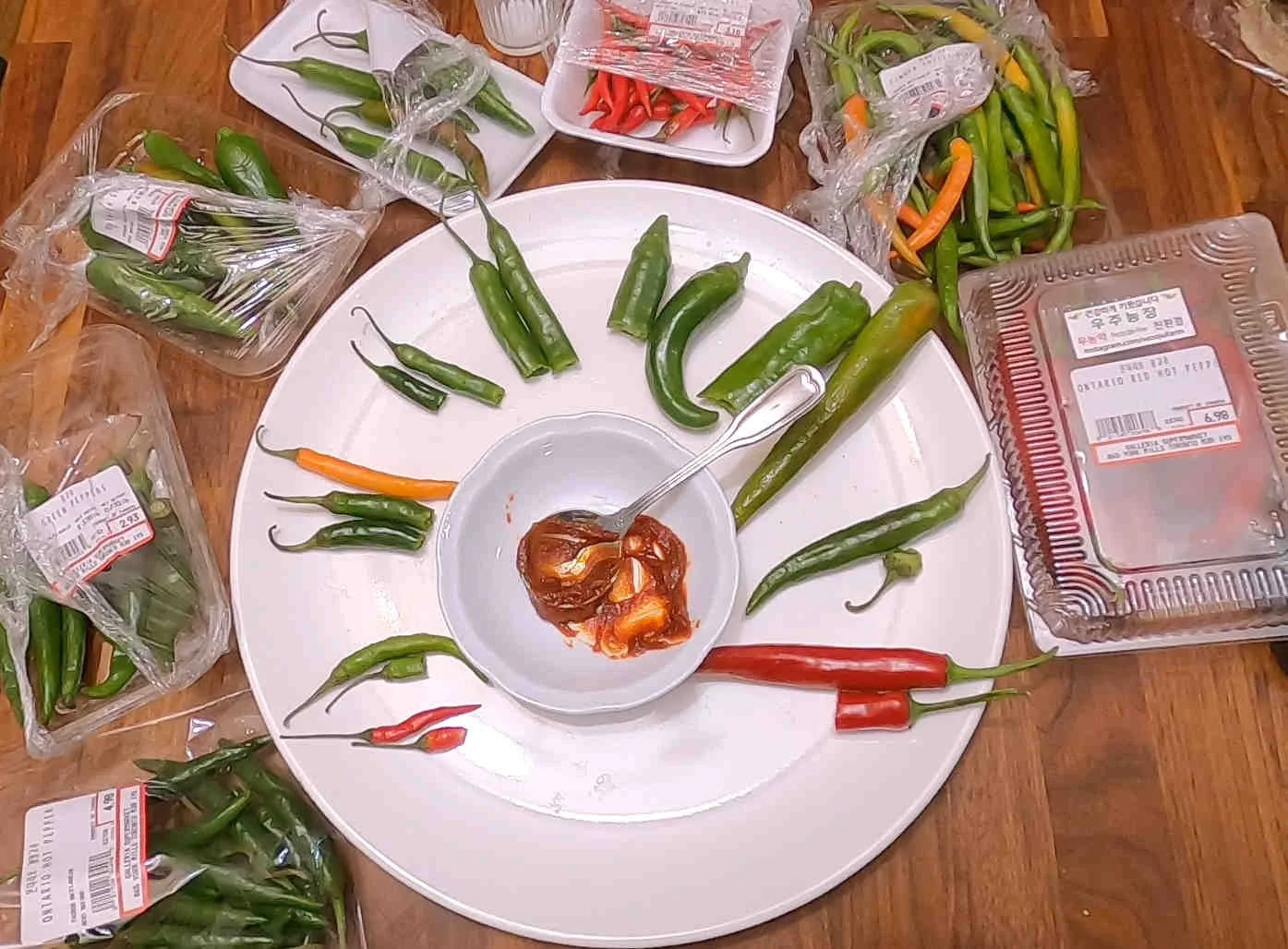
I got every chili pepper at the Korean supermarket. You may have encountered some fresh, green peppers placed on the table at the Korean BBQ restaurant. Fresh Korean peppers are meant to be eaten with dip (usually SSAMJANG which is a fermented soybean paste based seasoned dip). These peppers impart a slight kick of spice … Read more

Must-Have Korean Pantry Basics

There is really a small core group of Korean ingredients that are crucial to Korean food cooking at home. This is written for you if you’ve just gotten into Korean food and are facing the prospect of what the heck to buy first at the Korean grocery store. Those more familiar may think differently, and … Read more

How Do You Eat Gim?

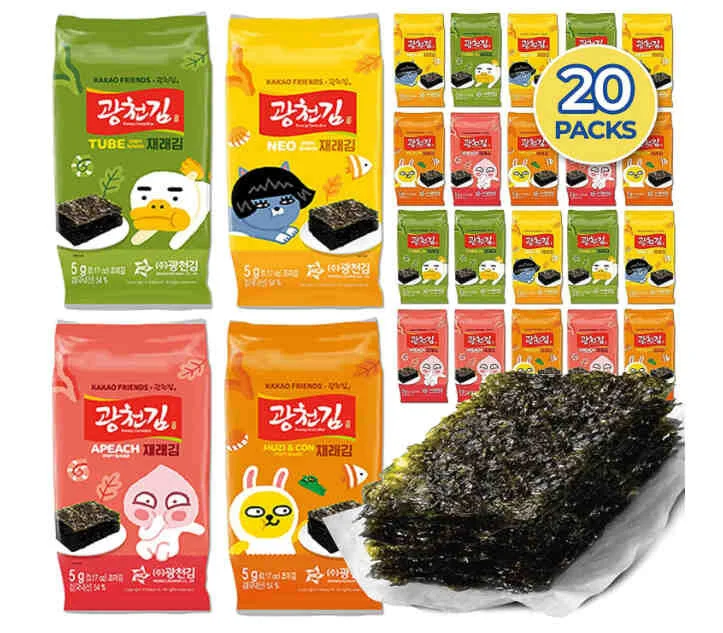
Hooray, you know what Gim is! Gim is now a popular crispy, salty, seaweed snack beloved the world over. Help me pronounce it! GHEE-M. (Hard G, not like Gym) Let’s level up and see how else we can enjoy this delectable snack from the sea. If you get the convenient, pre-seasoned (salted) snack packs of … Read more

Best Korean Doenjang Brands

The best Korean Doenjang will contain little else other than whole soybeans, water and salt. It will have gone through a period of fermentation that unlocks the powerful health benefits of fermented foods. This is a difficult feat for large food companies to achieve because it is the antithesis of efficient production which depends on … Read more

What is Doenjang?

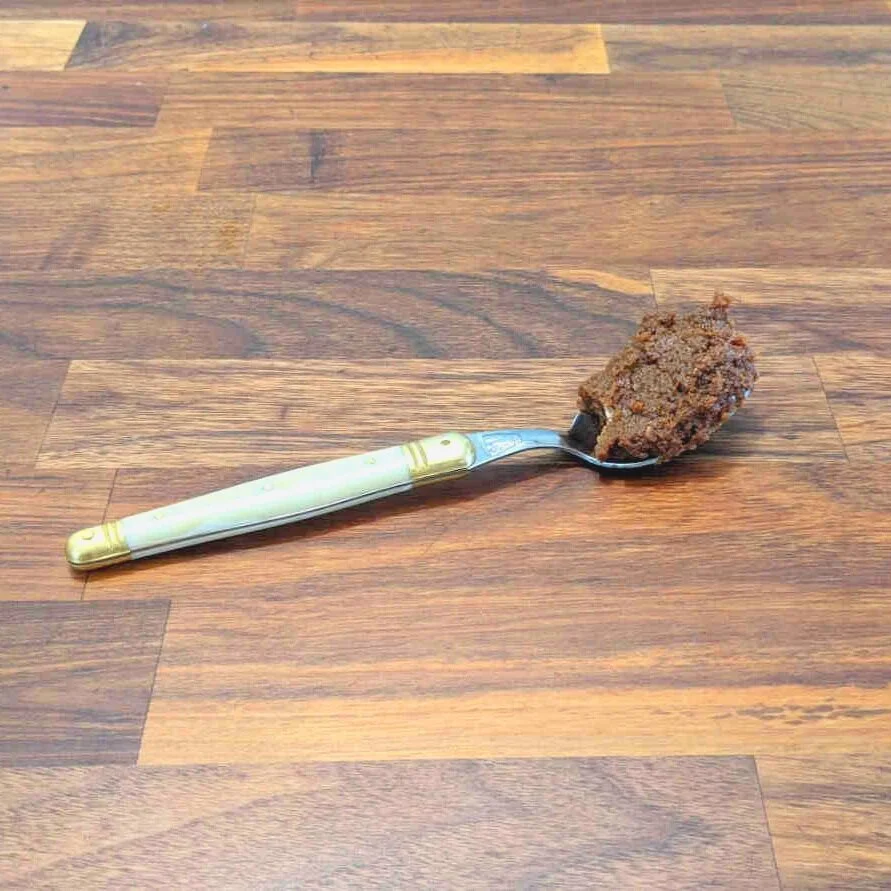
Doenjang is a staple Korean seasoning paste made from fermented soybean blocks which are fermented in brine. Homemade Doenjang only requires water, soybeans, salt and time. Initial fermentation lasts 2-3 months but can continue for years. The resulting brine then becomes soy sauce. Traditional Doenjang is naturally Gluten-Free. What does Doenjang look like? It can … Read more