What are DOTORI Noodles?

Eating Acorns in Korea Dotori in Korean means Acorns. Have you ever eaten acorns? You know, the squirrel’s nut of choice (unverified: I actually do not know for a fact that this is the squirrel’s favourite nut). Koreans have been eating acorns since (insert Lion King opening music) the beginning of time. Exaggeration, but it’s … Read more

Kalguksu: The Other Essential Korean Noodle

I would like to preface this post by saying that if you only buy dry noodles, you’ll be rather disappointed in this category. Kalguksu noodles, Udon noodles and Jjajang noodles really shouldn’t be the same product. But in the dry packaged food world, they are. I refer to this packaged noodle I’ve got as “Kalguksu” … Read more

Somyeon: The Essential Korean Noodle

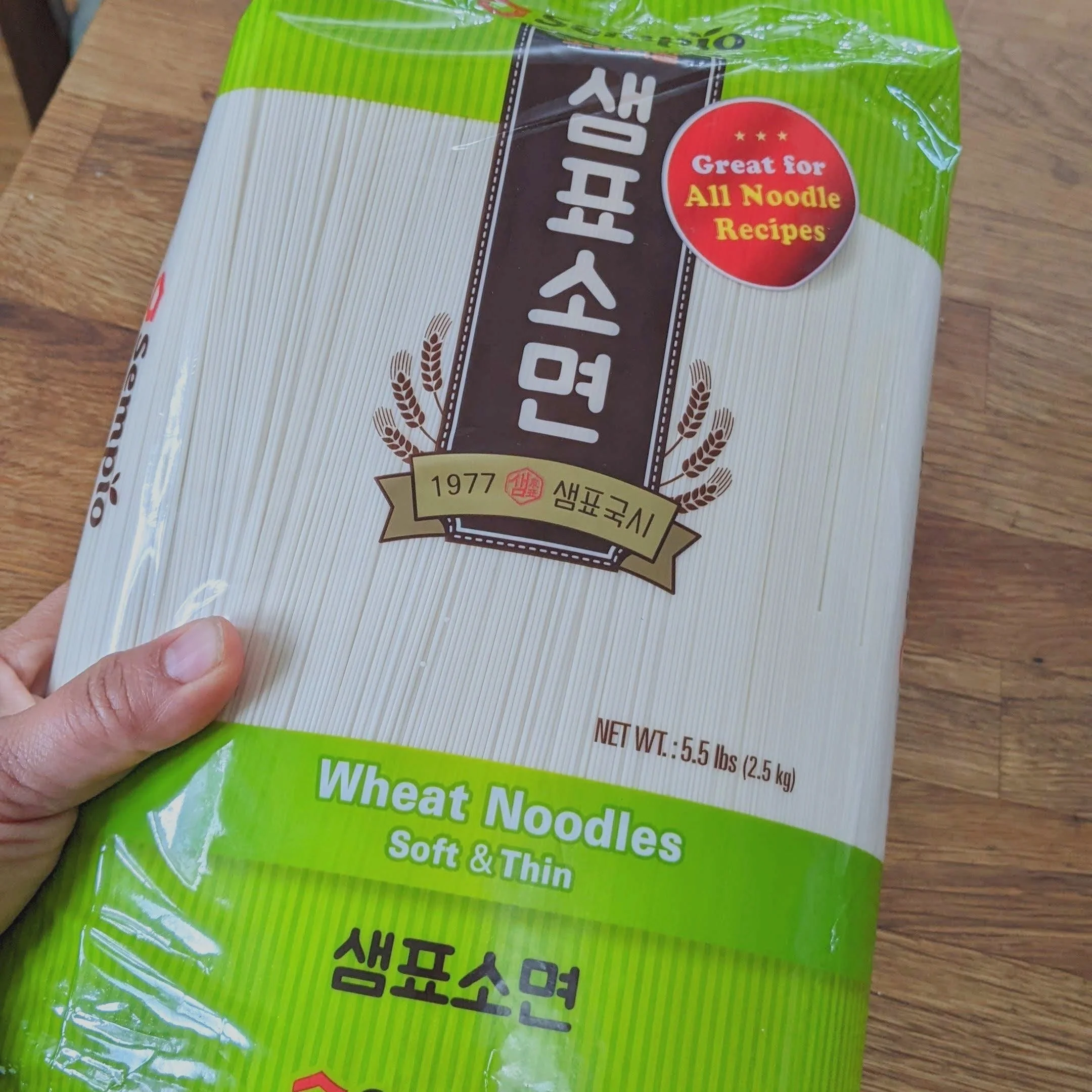
Here I am, writing about my favourite go-to Korean noodles again. If you didn’t read my initial short-and-sweet post about it, go read it here. But spoiler alert, I’m basically gonna go over it again so… 😜. Ingredients in Korean Somyeon Noodles Flour Water Salt On one hand, it’s minimal ingredient list makes me pretty … Read more

What are Korean SOMYEON Noodles?

This understated noodle is actually the most well-known and versatile Korean noodle. You can usually find them labelled as Somyeon or Mak Guksu. They are made with only wheat flour and salt (and water). The history of this noodle is very long. Since the times of Kings and Queens during the Joseon Dynasty when wheat … Read more

Instant Soup Broth: Anchovy + Kelp + Crab

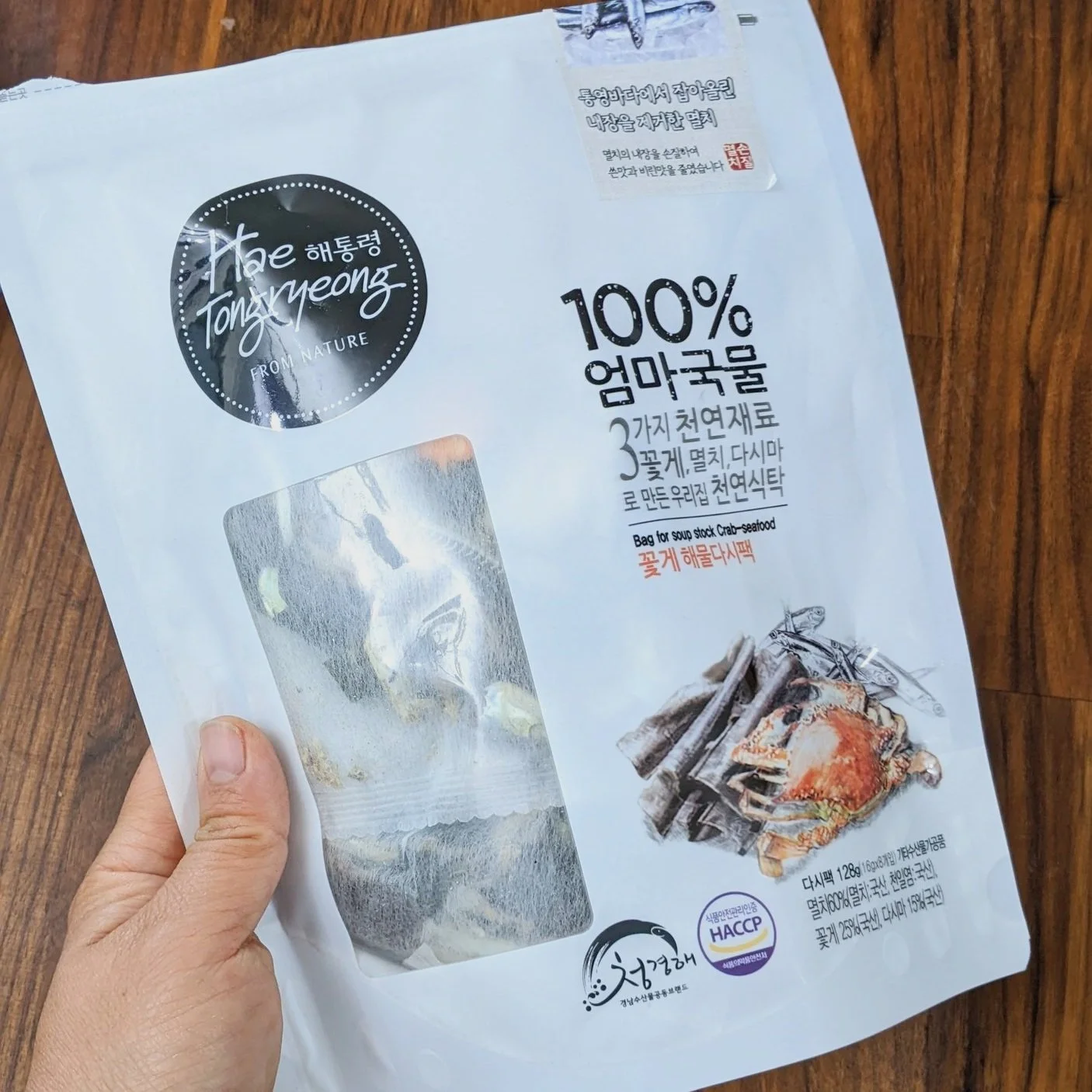
The most common type of soup broth in Korean cooking is made from anchovies. At its most basic, all you need to buy is dried anchovies from the Korean market. Throw some into boiling water and you’ve got an umami-rich base to make lots of Korean soups. These convenience soup tea bags are fairly new … Read more

Tips for Purchasing Dried Seaweed Sheets (Gim)

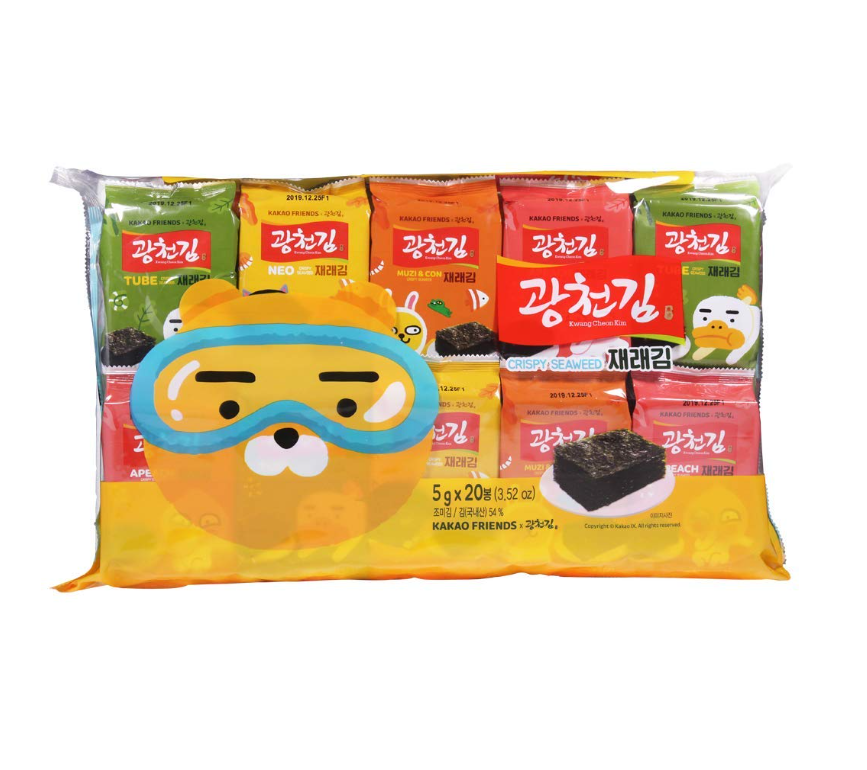
Gim is as basic as butter. You know how if you have butter and bread in the house, there’ll always be something to eat? It’s like that with dried seaweed sheets- but even more versatile! You can even eat them straight out of the bag as a snack! Every Korean I know always has Gim … Read more

Delicious Dried Pollock (Hwangtae): A Korean Delicacy

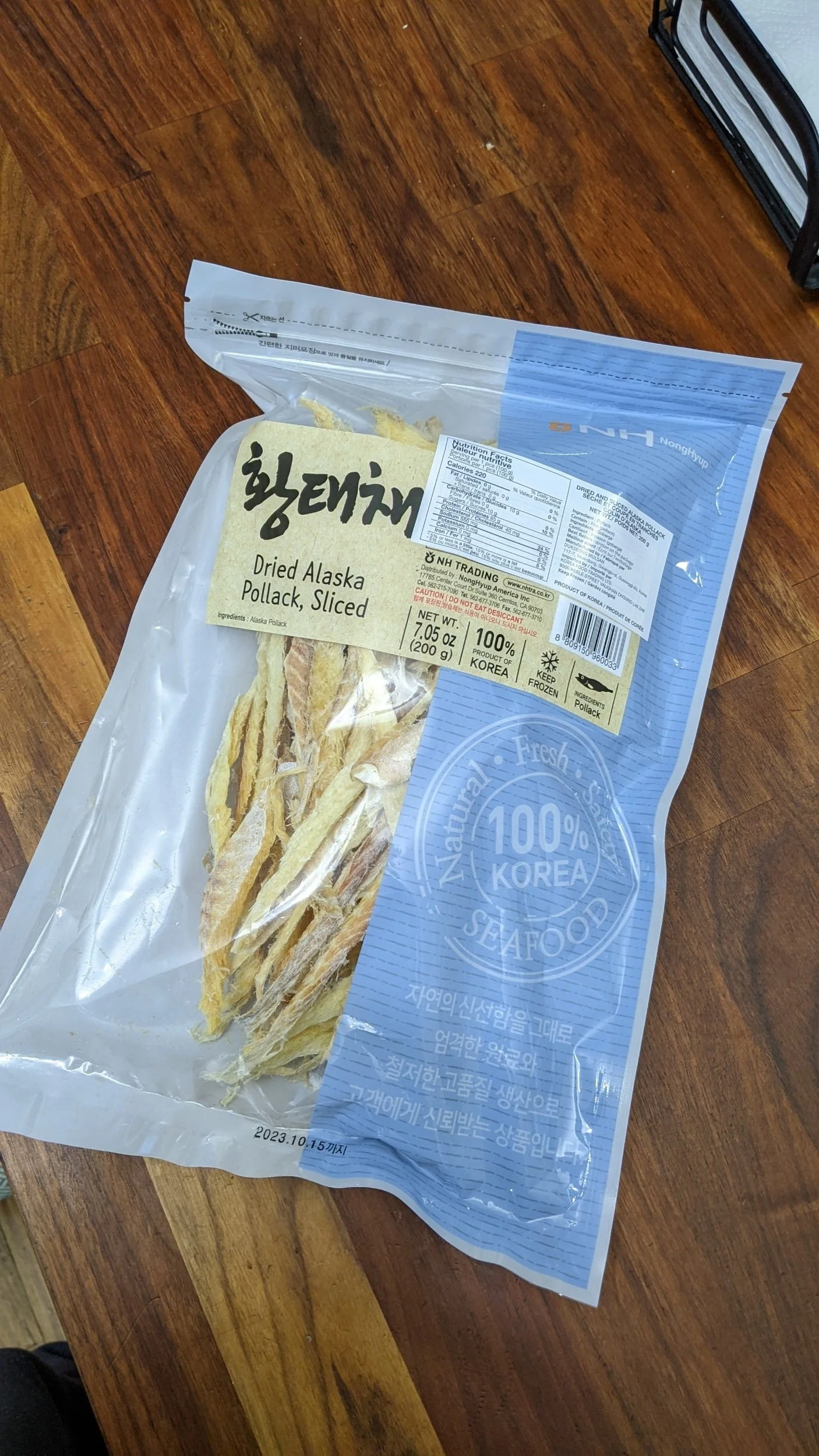
Here’s another dried ingredient that looks weird and intimidating but serves as an easy bar snack or soup component. Enter Alaskan Pollock, now a type of cod (source). You’ve probably had it fresh- most likely with butter and capers or as fish & chips. Pollock is seriously Korea’s favourite- it’s sometimes even referred to as … Read more

Using Gukmul Myulchi (Large Dried Anchovies) to make Traditional Korean Broth

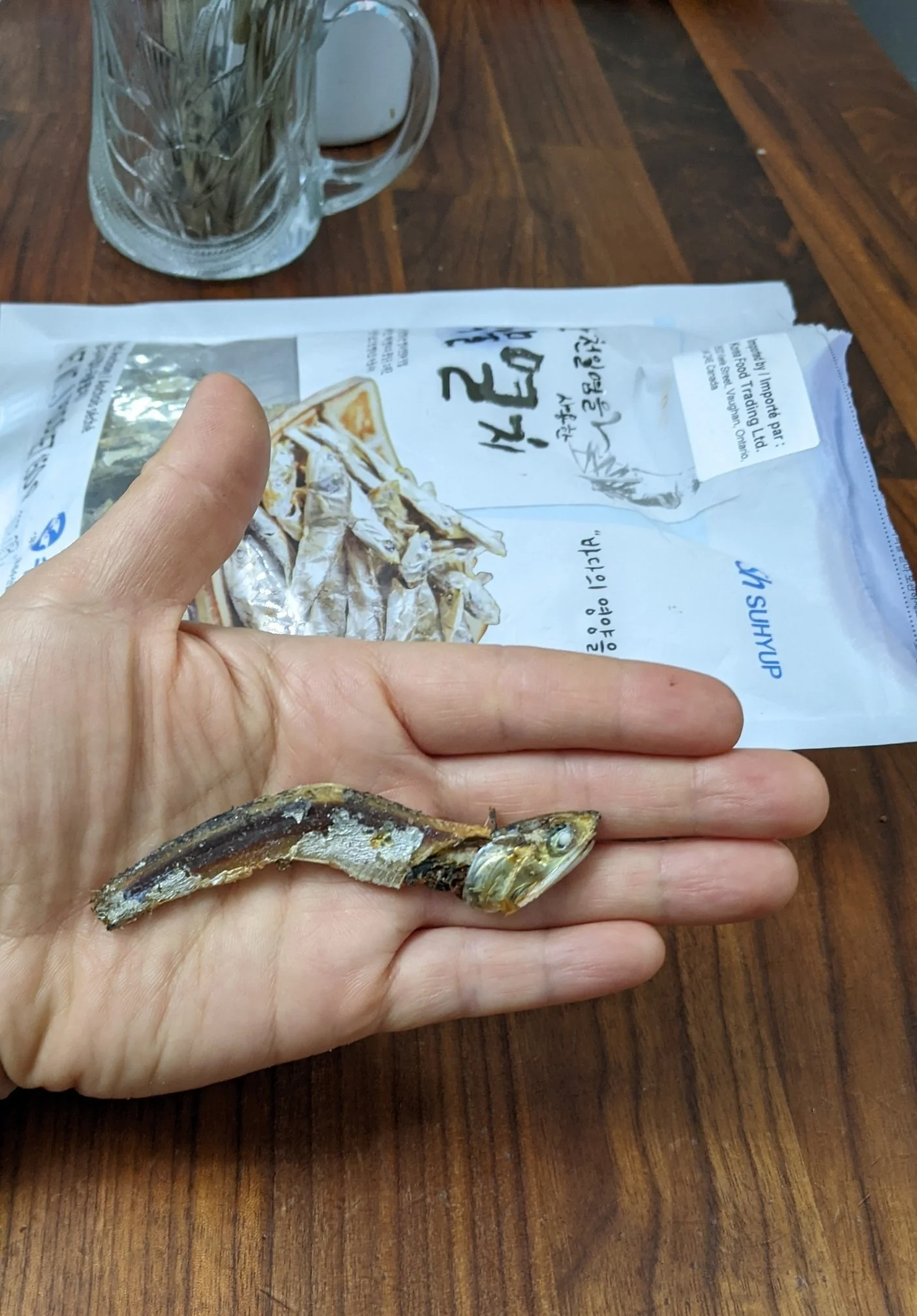
Pescatarians rejoice! There is an umami-rich, flavour-boosting stock option 🤑 that’s entirely fish based (anchovies!). And if you’re leaning into the less meat-eating lifestyle and into Korean food, you’ll love this gross looking dried ingredient. Only 1 ingredient, simply dried, it’s preservation in its oldest form and the only thing you need to make a … Read more

What are JJAJANGMYUN Noodles? An Overview

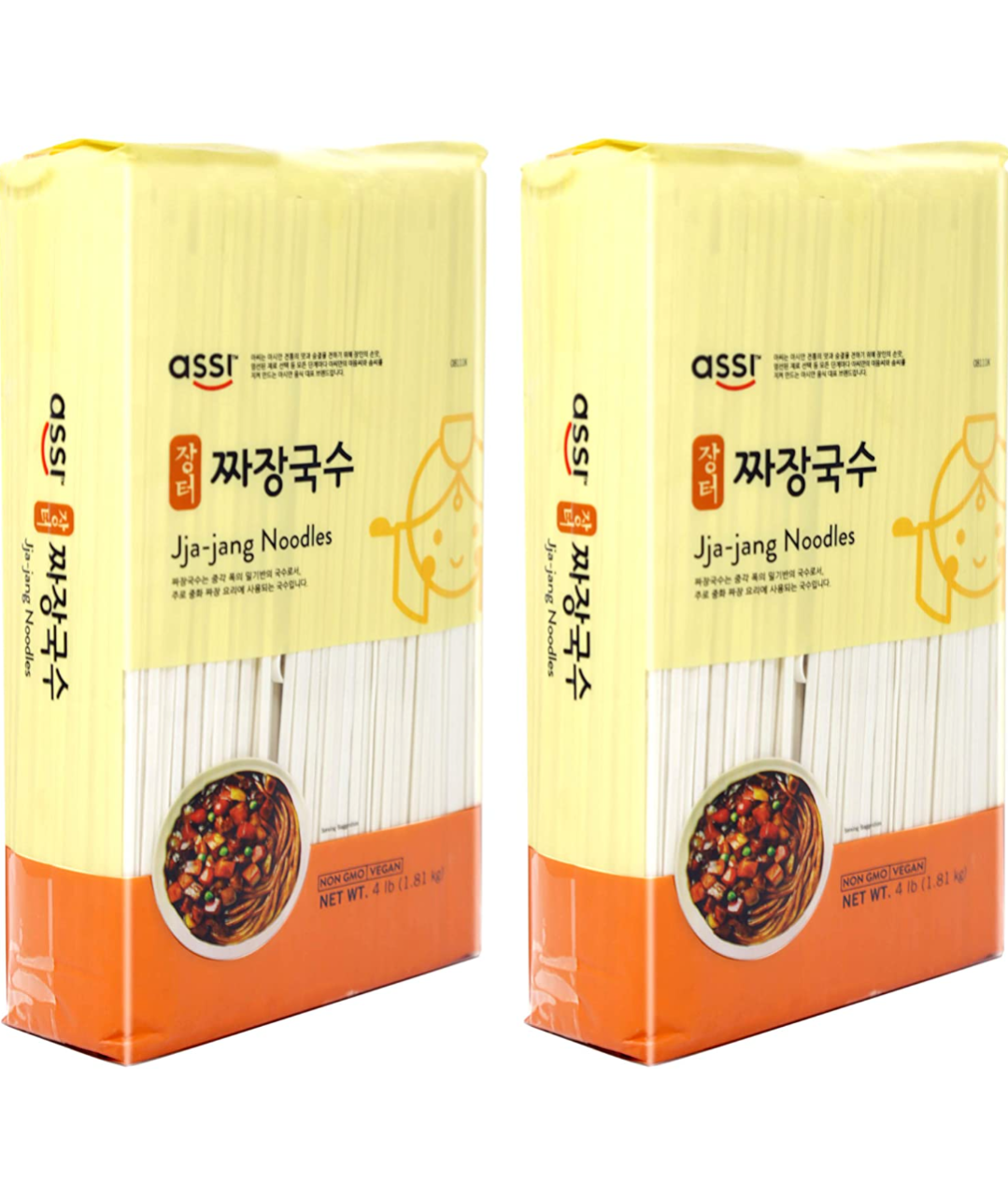
Korea’s uber-popular black bean noodles are ironically a Chinese-Korean fusion dish developed by Chinese restauranteurs in Korea who adjusted their menu to local tastes. It actually doesn’t exist in China or “authentic” Chinese restaurants anywhere in the world (Only in Korean-Chinese restaurants 😂). You can think of General Tso’s Chicken and how it’s an American … Read more

JWIPO aka Korean Dried Filefish

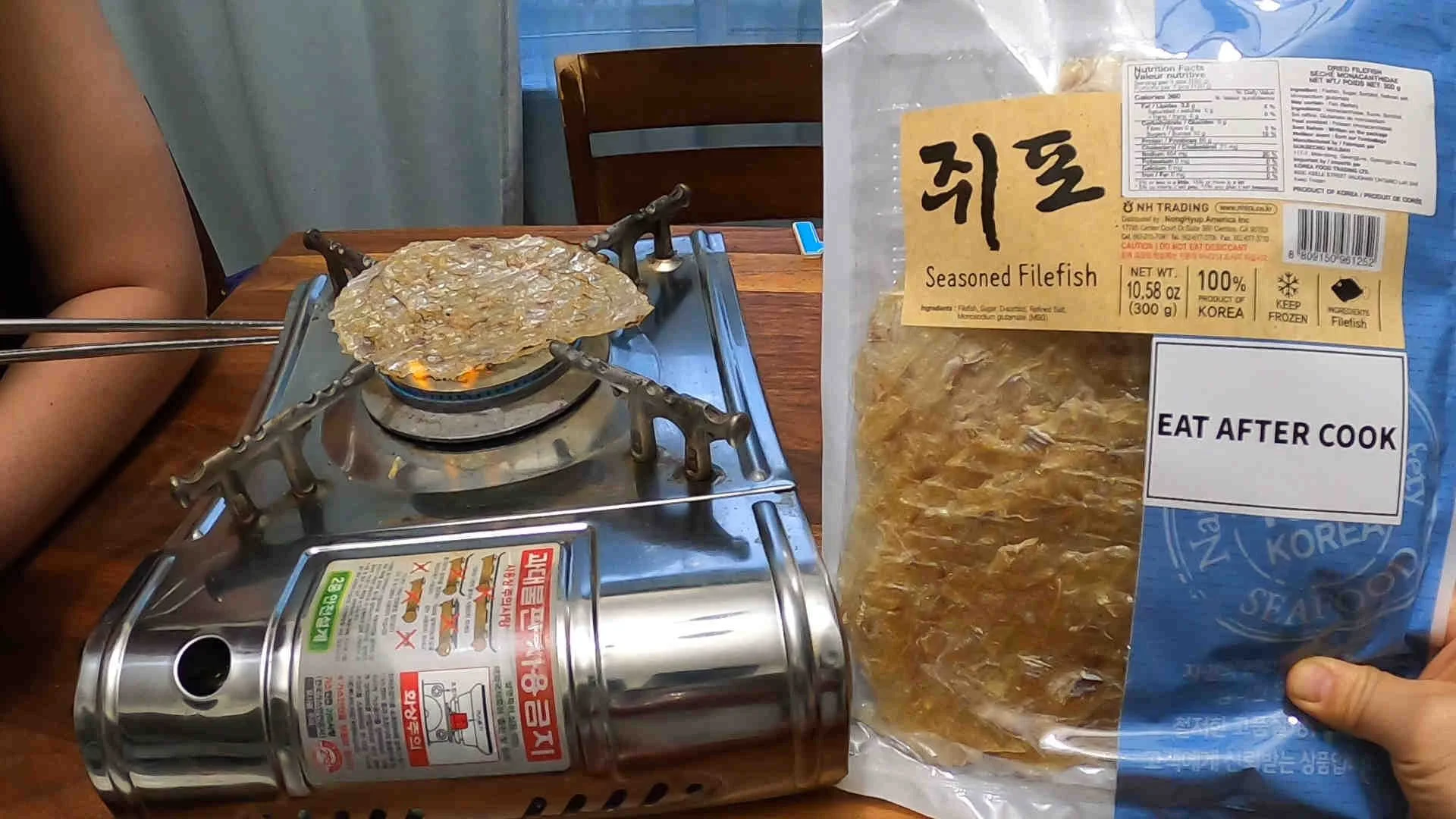
What is Jwipo? Jwipo is what Koreans call Filefish that have been dipped in a sugar solution before being pressed and dried into (usually oval-shaped) molds. This is a small (the largest it gets is 30cm) and flat fish going by the scientific name of Stephanolepis-Cirrhifer but it usually says “Filefish” on the package. There … Read more