JIN GANJANG aka Korean All-Purpose Soy Sauce
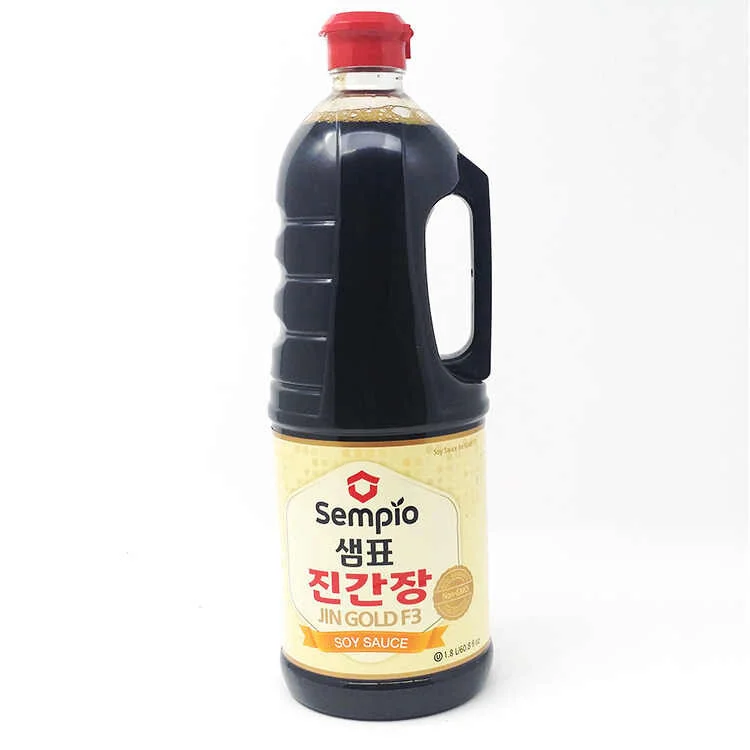
The origin of the term JIN GANJANG used to refer to the duration of fermentation that homemade soy sauces went through. Originally, all soy sauces in Korea were homemade. Today, it refers to the most economical (read: not great) all-purpose soy sauce available on the market. Cheap and cheerful, it can do the job for … Read more
GUK GANJANG aka Korean Soup Soy Sauce

Korean soup soy sauce is usually used to season soups and namul BANCHAN (herb/vegetable side dishes), but it can also be used as a general soy sauce. Note that it is saltier than the more common (JIN GANJANG and YANGJO GANJANG) soy sauces, so adjust accordingly when cooking (taste test often!). Its lighter hue also … Read more

Korean Instant Noodles aka Ra-myun

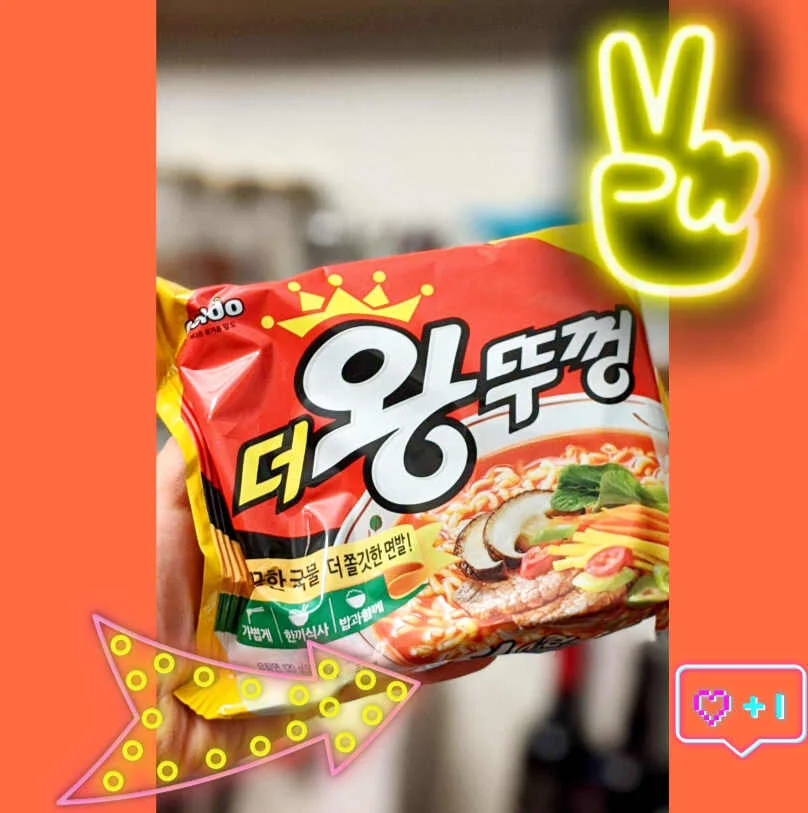
Got home after a hard day’s work or school? Hangry beyond belief? Keep these bad boys in your pantry and you’ll be minutes away from a hot, satisfying meal in less than 5 minutes. What you need: Pot The miracle noodle package Water What you do: Boil water (Look at the back of the package … Read more

Korean Soy Sauce

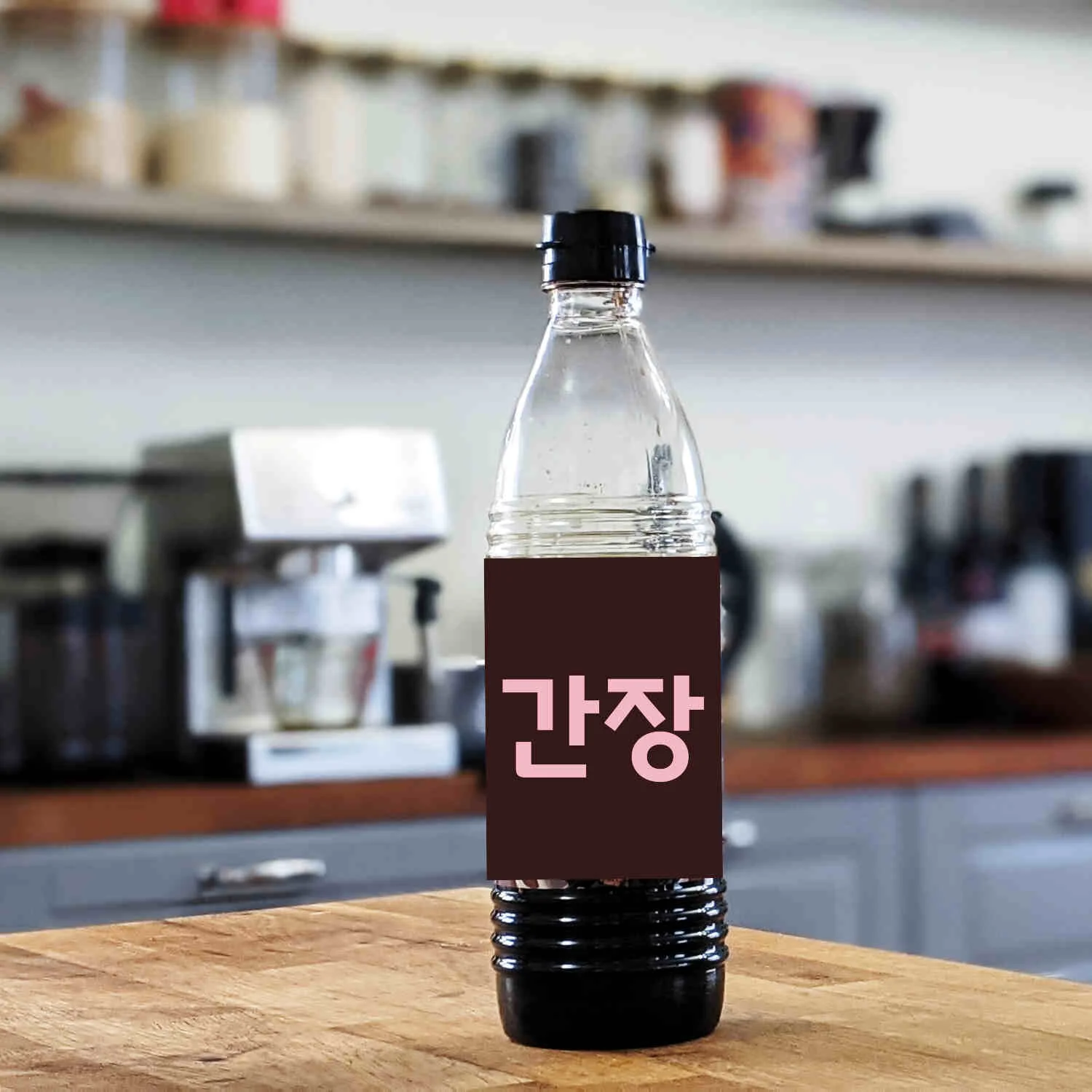
If you want to cook Korean food at home, Korean soy sauce is an essential staple to have. It is used for seasoning, flavoring, marinating, grilling, frying… basically everything, in addition to dipping. A byproduct of fermented bean paste, it has protein from soybeans and saltiness from the fermentation process. Seasoning your food with soy … Read more

Korean Fermented Soy Bean Paste

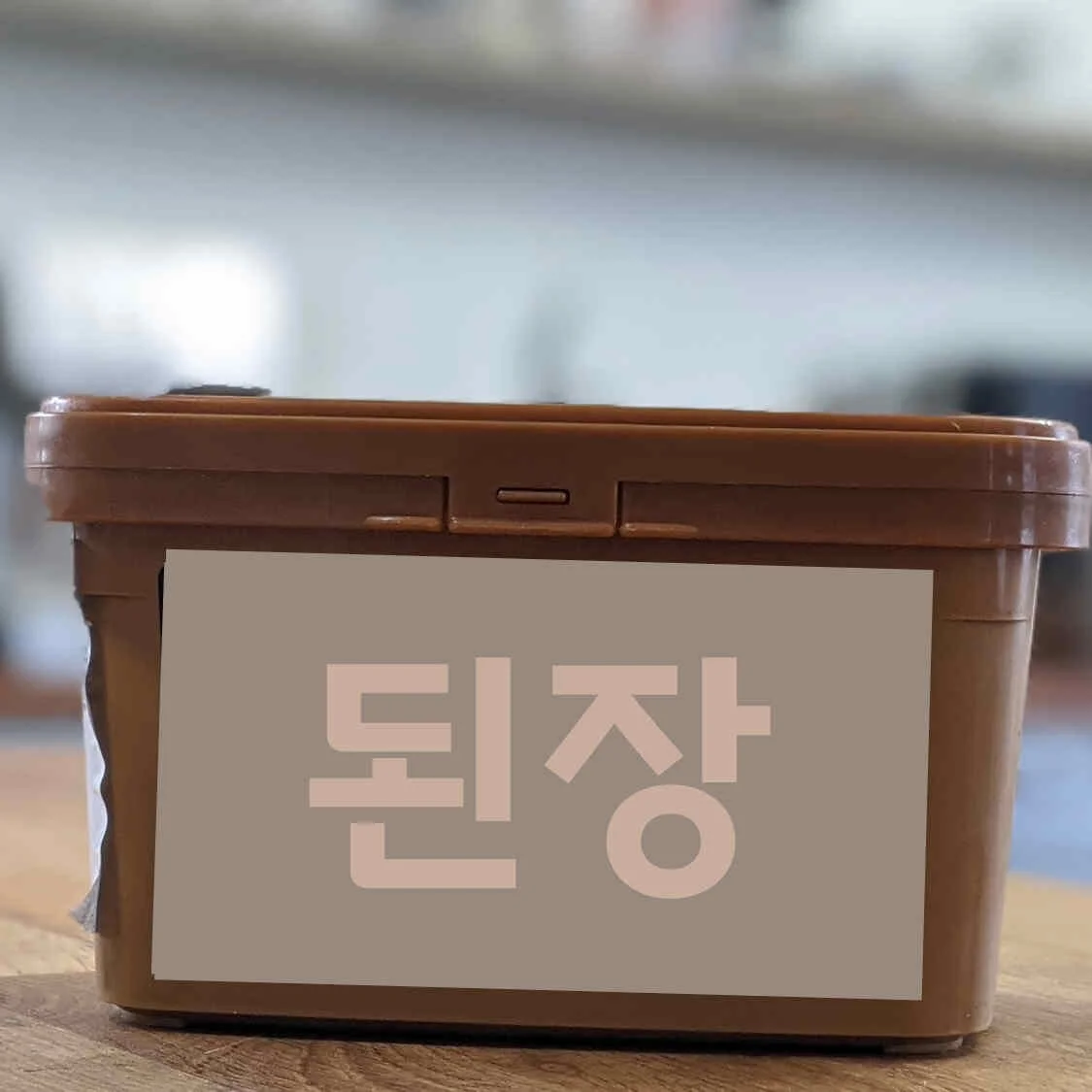
TL;DR A necessity for Doen-Jang Jjigae (fermented bean stew) fans; Otherwise, you can opt out of this one. You will need to buy this if you want to make the famous Doen-Jang Jjigae aka Korean Soybean Paste Soup. Other than that, you can also make the dip for Korean BBQ with this. Mix this with … Read more

Dark Toasted Sesame Oil

Ah, Korea’s olive oil. The finishing touch that adds a special glimmer to any dish. Love it or hate it: It’s got a strong scent that won’t be denied. What can I tell you? You can cook Korean food without it, but it just won’t be the same. I would either put minimal amounts until … Read more

Korean Red Pepper Powder

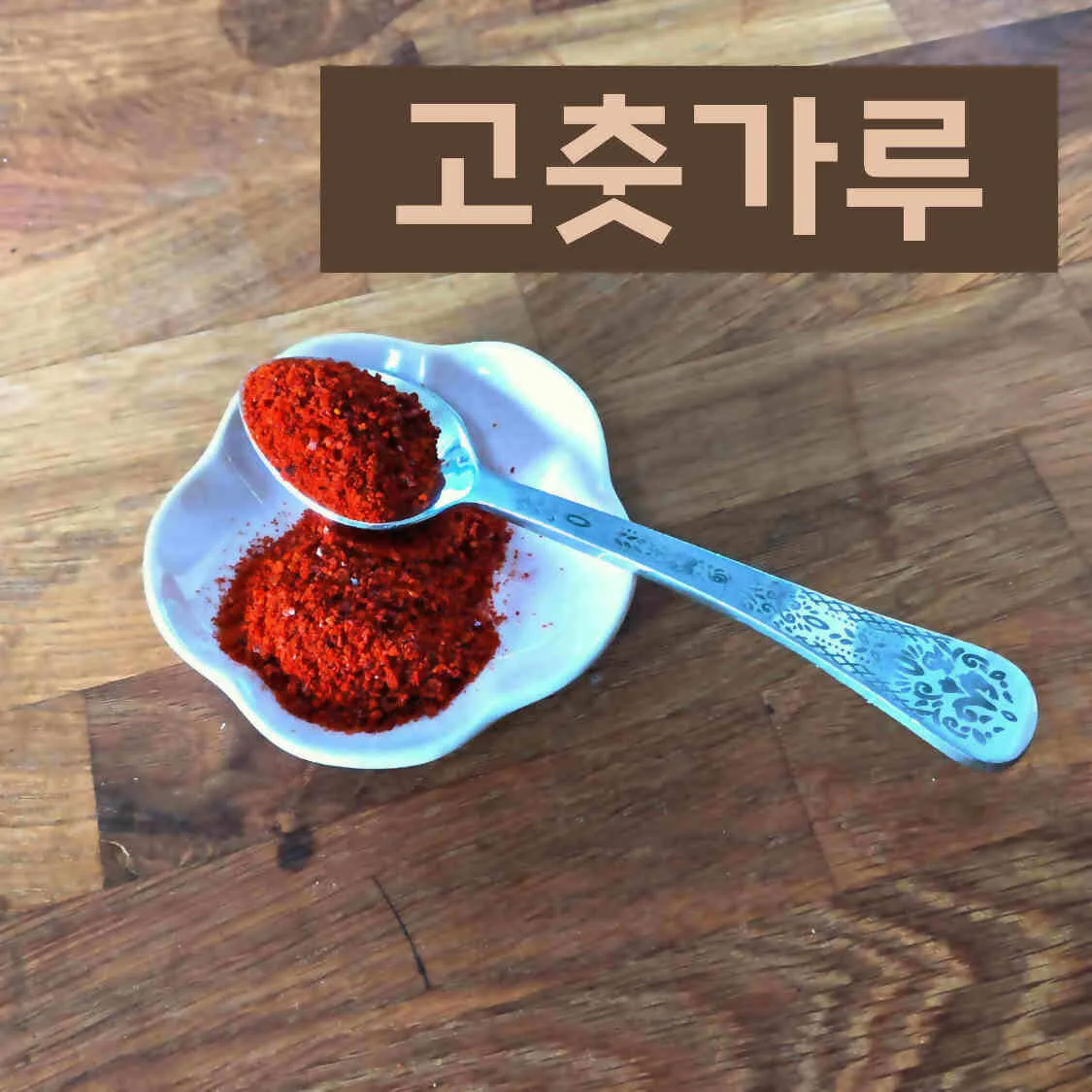
This is THE quintessential Korean ingredient that gives Korean food its signature colour and heat. Oh yes, talk to anyone about Korean food and they think of RED, HOT, SPICY dishes like Tteokbokki (Spicy Rice Cakes), Kimchi Jjigae (Stew) or Jjamppong (Spicy Seafood Noodles). But here’s the deal. GOCHUGARU is actually not that spicy (insert … Read more

Korean Salted Shrimp

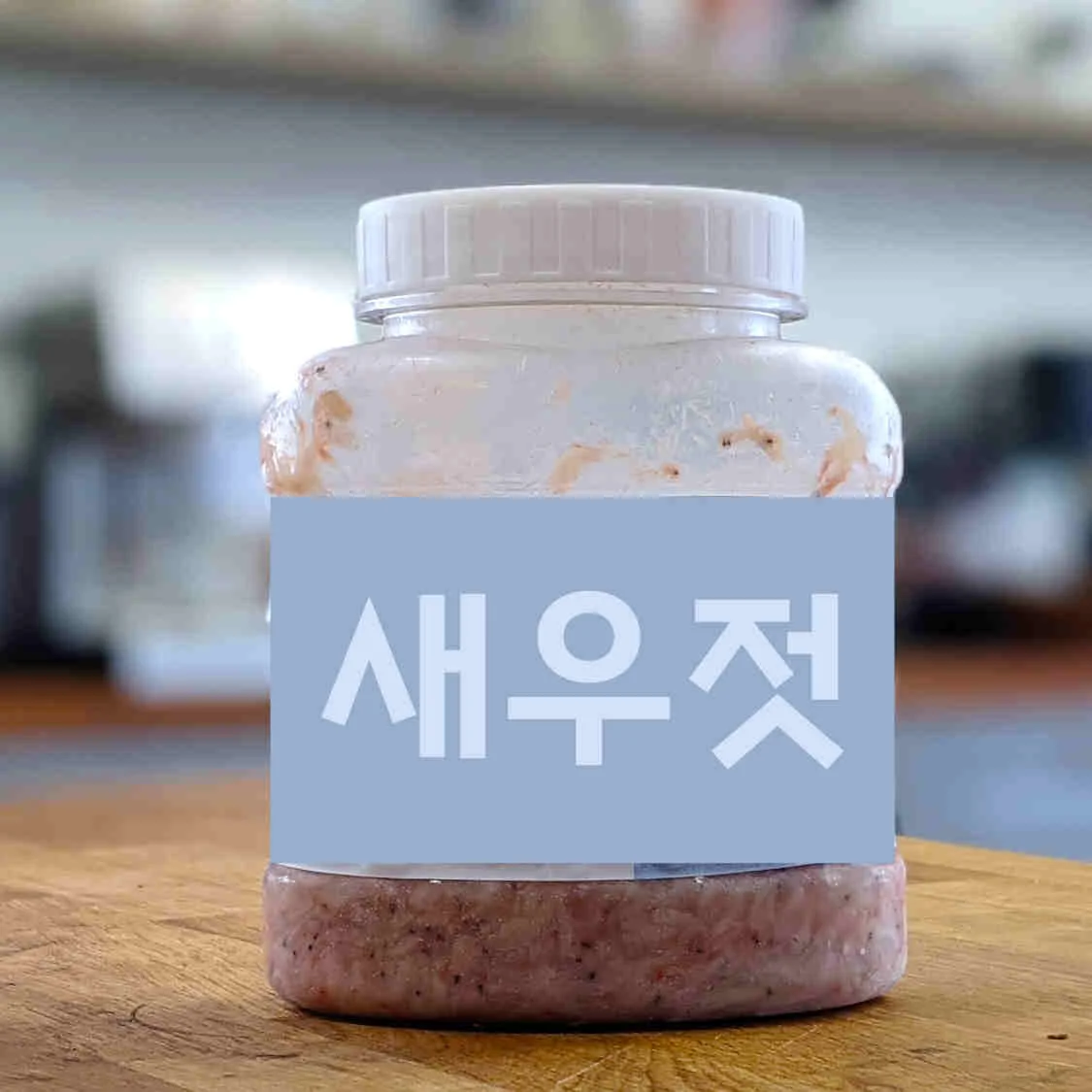
What is salted shrimp? Salted or fermented shrimp is a heavily salted product that has fermented to a stinky, flavourful ingredient. Believe it or not, this is a subtler alternative to fish sauce. This is ideal when you want to enhance the flavour of a dish with salt that include faint notes of seafood. People … Read more

Korean Rice Cakes: GARAETTEOK

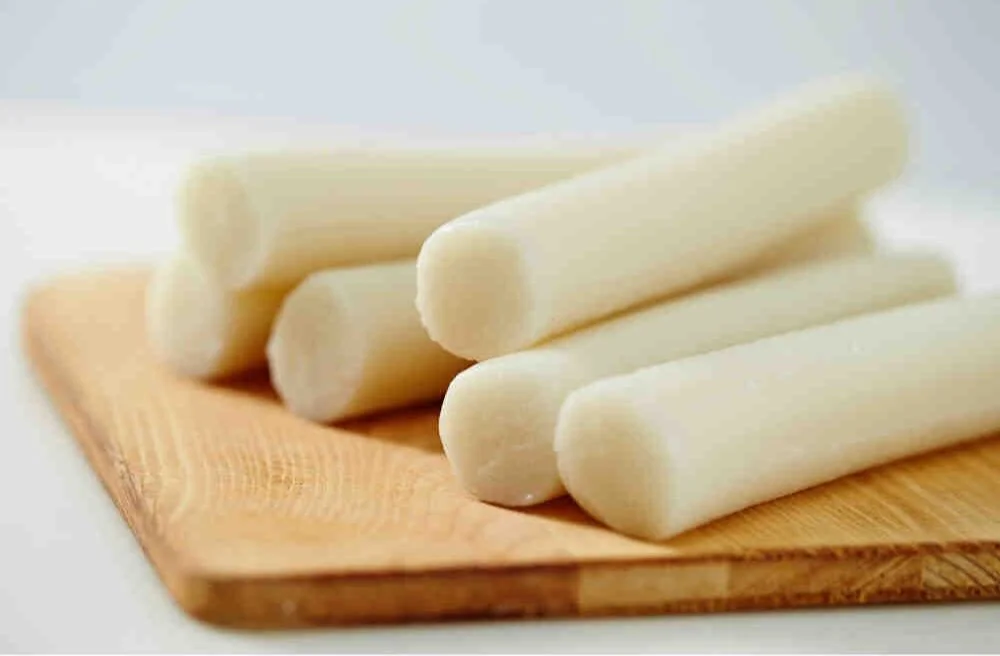
WHAT ARE KOREAN tteokbokki RICE CAKEs Korean Tteokbokki rice cakes are made GARAE-TTEOK. Rice flour (with some salt) and water and mixed, then steamed, then pounded until the dough becomes elastic. It is rolled into cylinders and at this point they’re called GARAETTEOK. GARAE refers to its similarity in shape to a traditional Korean farming … Read more